As electric vehicles become more common, Miami businesses are adding EV charging to attract customers, support employees and future-proof their properties. Whether you manage an office, retail center, apartment complex or warehouse, here are the key factors to consider.
Assess Your Site
- Identify where chargers will be installed — parking lot, garage or building interior.
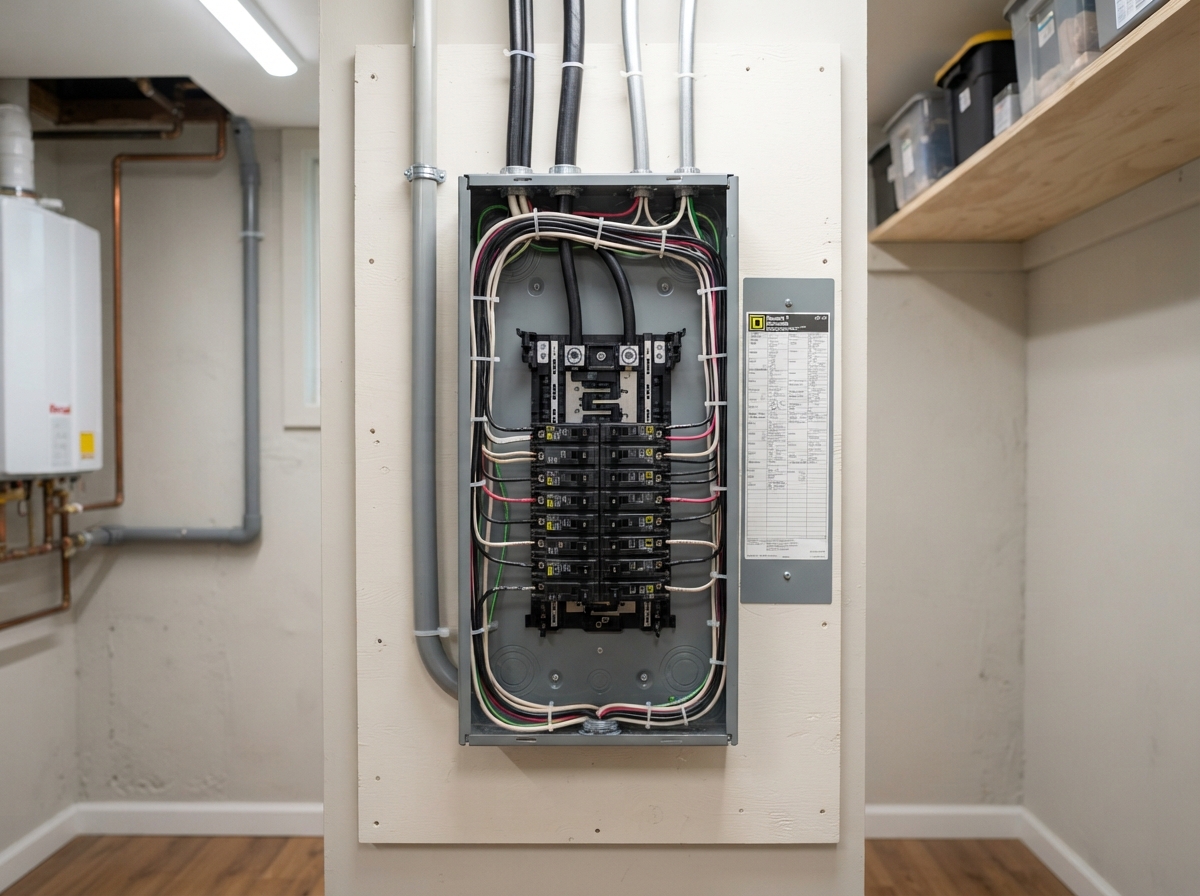
- Evaluate distance from the electrical panel or service to the charging locations.
- Consider how many chargers you want now and how many you may add later.
- Plan for ADA-accessible charging stalls where required.
Electrical Capacity and Load Management
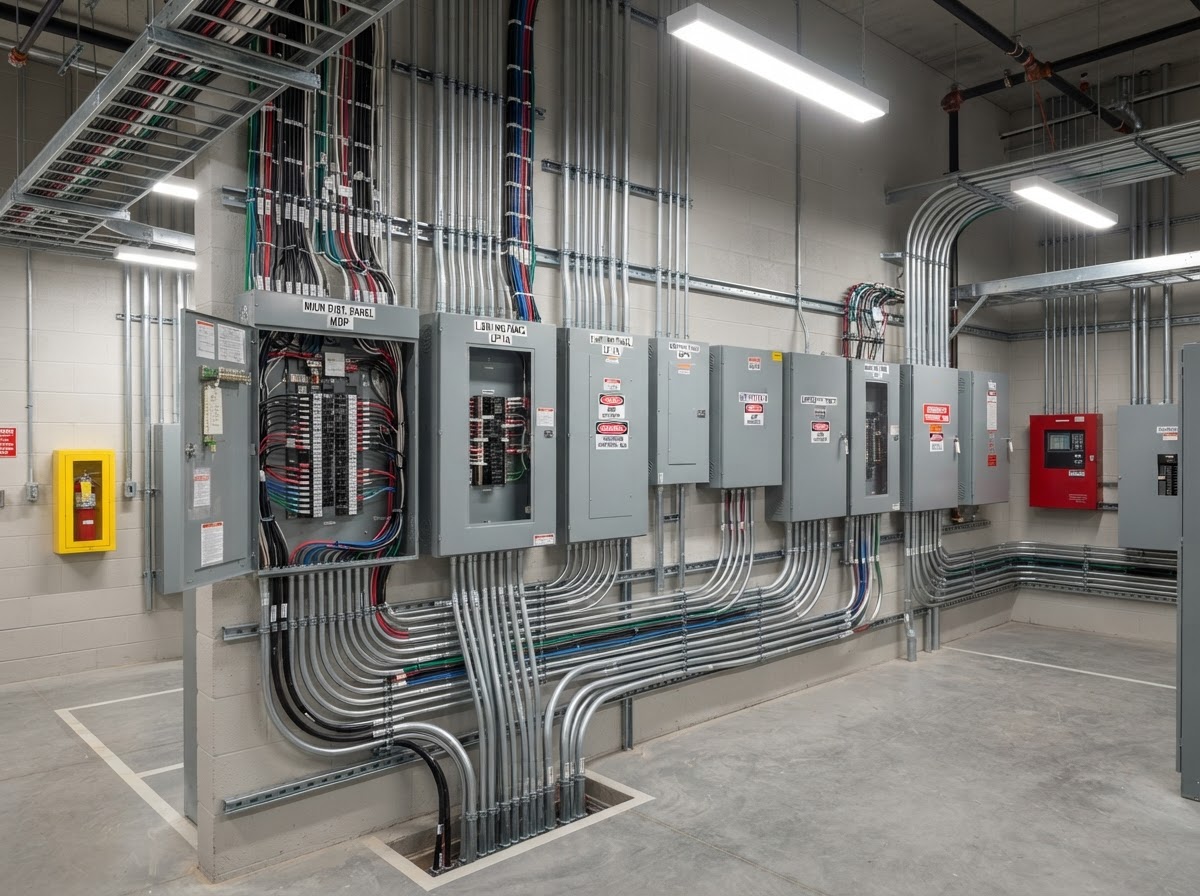
Commercial chargers draw substantial power. An electrician evaluates your service capacity and may recommend load management so multiple chargers share available power without overloading the system. Panel or service upgrades may be needed for larger installations.
Property Types and Applications
- Offices — employee charging during the workday.
- Retail — customer charging to attract visitors.
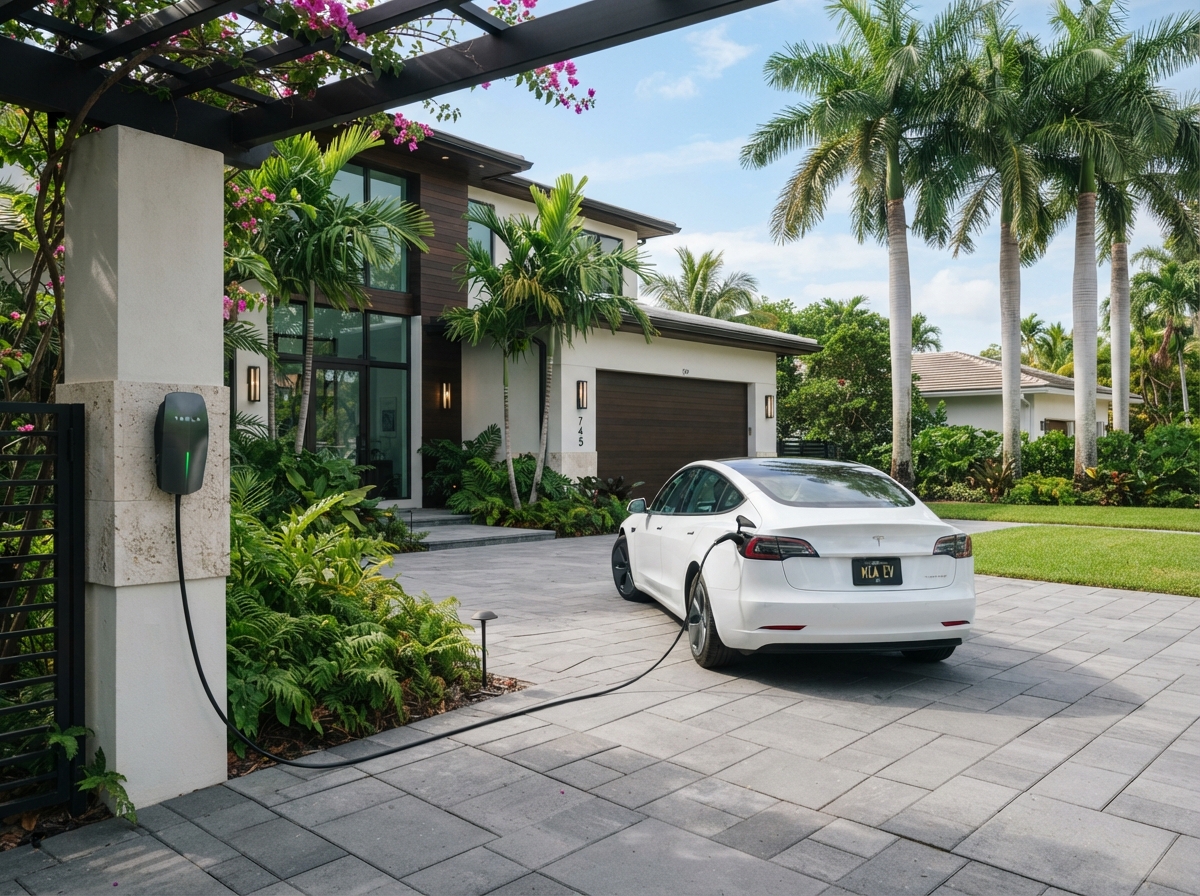
- Apartments and condos — resident charging as an amenity.
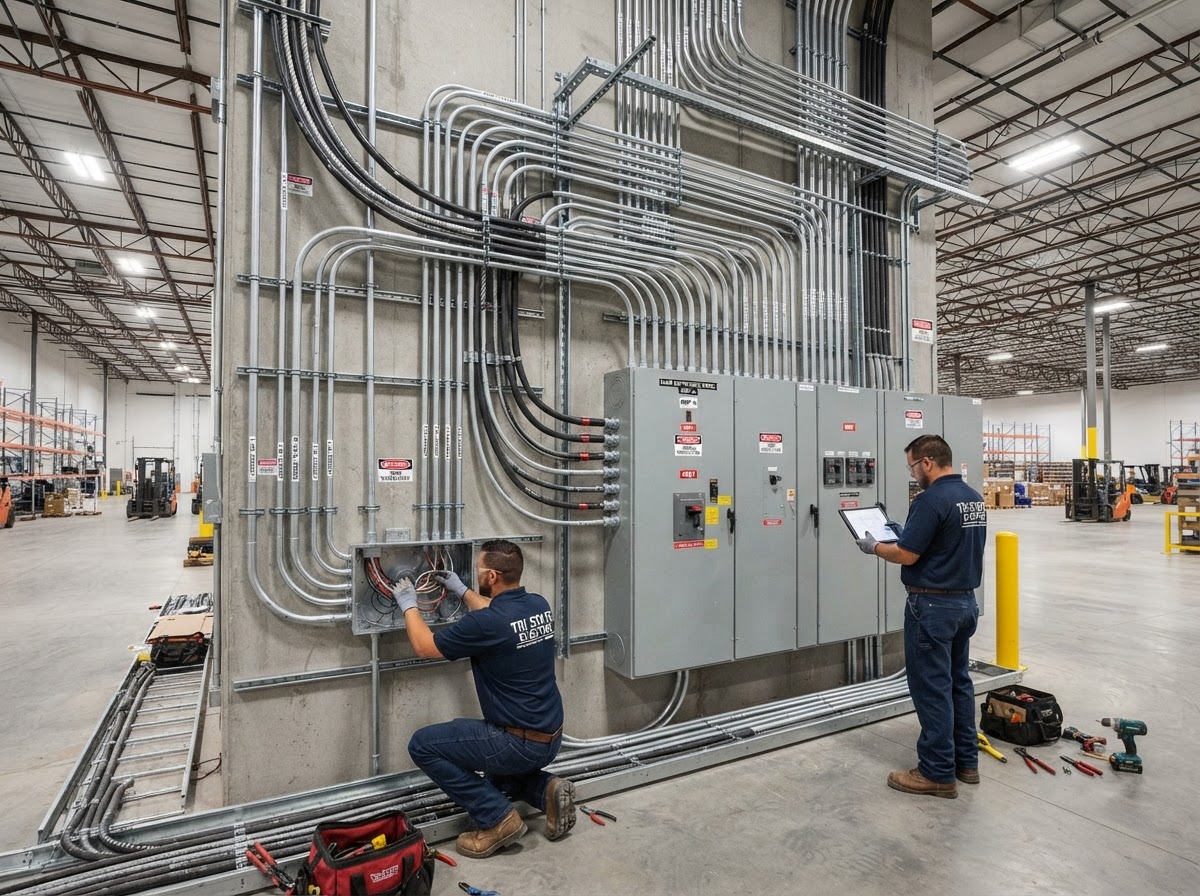
- Warehouses — fleet charging for electric delivery vehicles.
- Parking lots — public or semi-public charging stations.
- Multi-vehicle properties — networked chargers with load sharing.
Dedicated Circuits and Conduit
Each charger or group of chargers needs dedicated circuits run from the panel. Outdoor installations require weather-rated conduit, enclosures and wiring that meet local code.
Plan for Expansion
Even if you start with one or two chargers, planning the electrical infrastructure for future expansion saves money and disruption later. Running spare conduit and sizing the service for additional chargers is a smart investment.