Electrical safety starts with awareness. Whether you live in a single-family home, an apartment or a condominium in Miami, a few simple checks can help you identify potential hazards before they become dangerous. This checklist covers the most common areas to inspect and the warning signs that mean it is time to call a professional.
Outlets and Switches
- Check for outlets that feel warm to the touch or show discoloration.
- Test GFCI outlets in kitchens, bathrooms and outdoor areas using the built-in test button.
- Replace any outlet or switch that sparks, buzzes or feels loose.
- Install tamper-resistant receptacles in homes with young children.
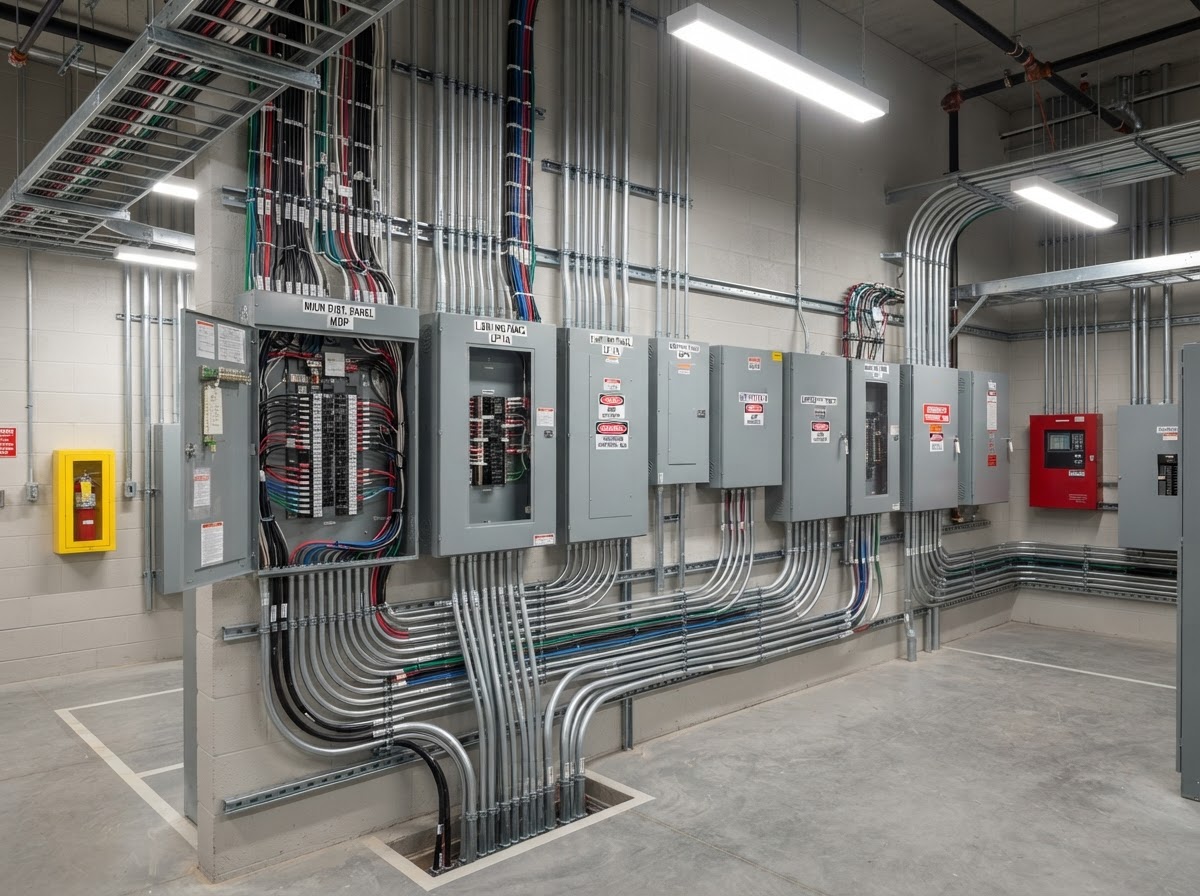
Electrical Panel
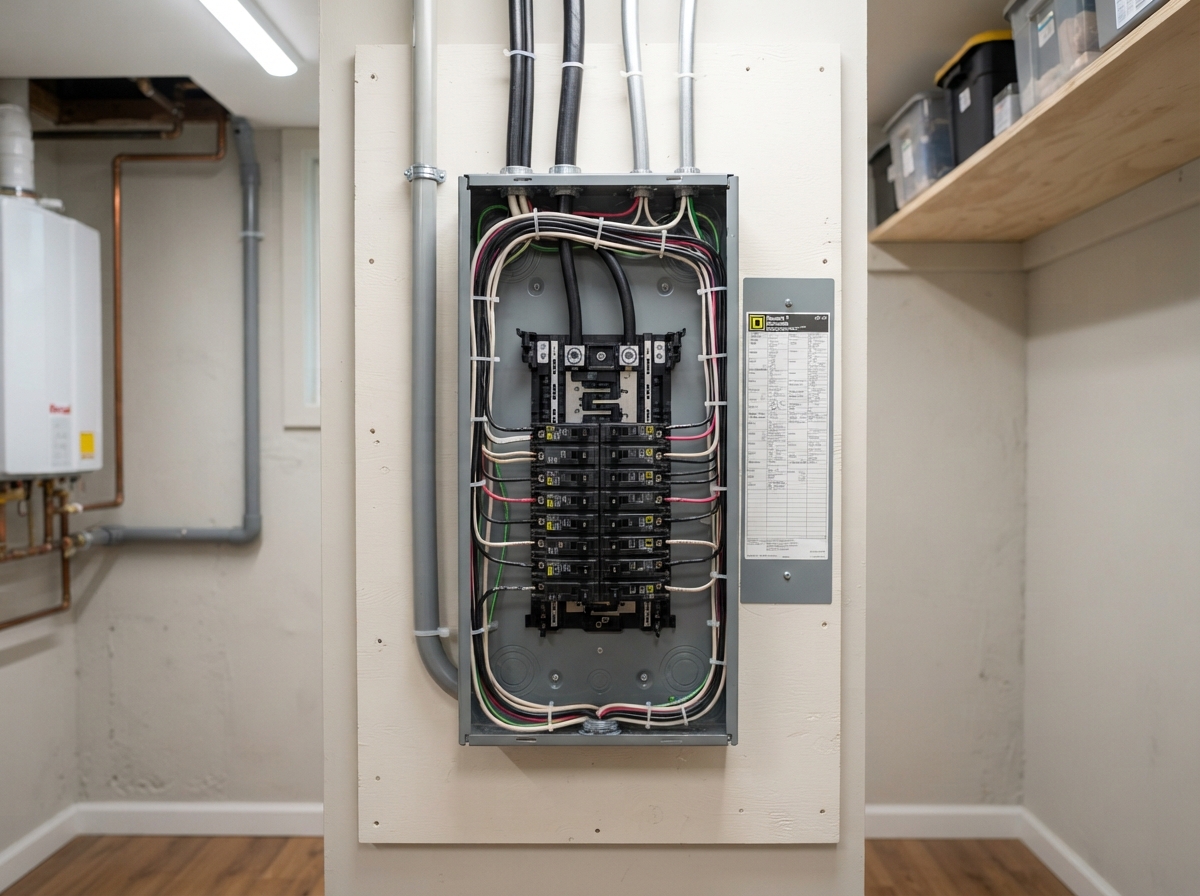
- Ensure your panel is labeled clearly so circuits can be identified quickly.
- Look for rust, corrosion or burn marks inside or around the panel.
- If your panel still uses fuses or is several decades old, consider an evaluation for an upgrade.
- Keep at least 36 inches of clearance in front of the panel.
Cords and Extension Cords
- Discard cords with cracked insulation, exposed wires or damaged plugs.
- Avoid running extension cords under rugs or through doorways.
- Use extension cords temporarily — they are not a substitute for permanent wiring.
- Never daisy-chain power strips or overload a single outlet.
Warning Signs That Mean Call a Professional
- Frequent breaker trips or blown fuses.
- Flickering or dimming lights when appliances turn on.
- Burning smell near outlets, switches or the panel.
- Mild shock or tingling when touching an appliance.
If you notice any of these warning signs, do not attempt repairs yourself. Contact a qualified electrician to evaluate the issue and recommend a safe solution.